
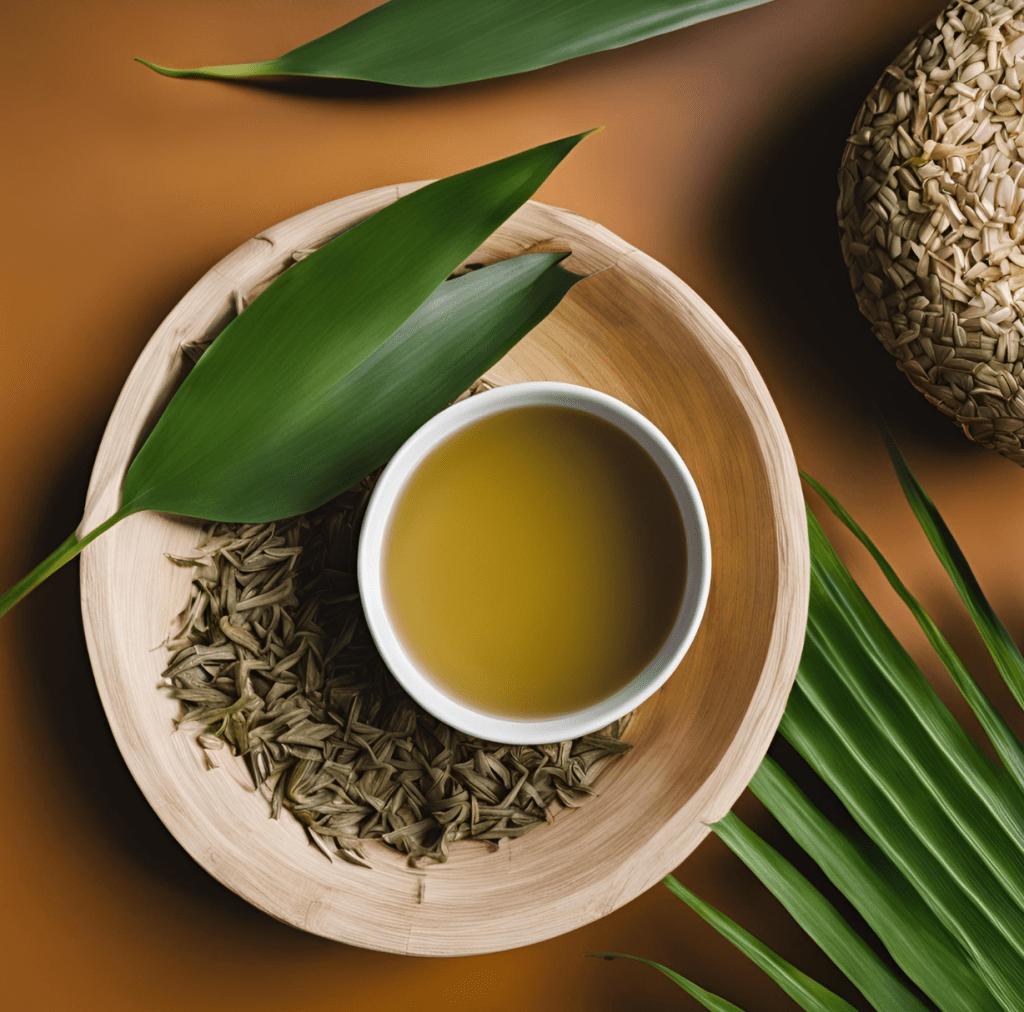
Dive into the origins of kava, exploring its cultural significance in Pacific Island communities, its traditional uses, and the health benefits associated with its consumption. Discuss its journey from traditional medicine to a popular beverage worldwide.
Origins of Kava
Kava, known scientifically as Piper methysticum, holds a rich cultural heritage deeply rooted in the Pacific Islands, where it has been cherished for centuries. From its traditional uses to its modern-day popularity as a beverage worldwide, kava offers a fascinating journey through time and culture.
Cultural Significance and Traditional Uses
Kava’s significance in Pacific Island cultures cannot be overstated. It has been integral to social, ceremonial, and medicinal practices among communities in Fiji, Vanuatu, Tonga, and other island nations. Traditionally, kava ceremonies hold great importance, often symbolizing unity, friendship, and spiritual connections.
In these cultures, the preparation and consumption of kava are rituals steeped in tradition. Kava root is pounded or ground into a powder, mixed with water, and strained to produce a cloudy, earthy-tasting beverage. The drink is shared communally, often in a setting where discussions, storytelling, or formal ceremonies take place.
Health Benefits Associated with Kava Consumption
Beyond its cultural roles, kava has gained recognition for its potential health benefits. Among the most researched benefits are its ability to promote relaxation and reduce anxiety. This effect is attributed to kavalactones, bioactive compounds found in kava root. These compounds interact with neurotransmitters in the brain, promoting a calming effect without impairing cognitive function.
Studies have also suggested that kava may aid in stress reduction, improve sleep quality, and even offer mild pain relief properties. As a result, kava has garnered attention as a natural alternative to pharmaceuticals for managing stress and anxiety-related disorders.
Journey from Traditional Medicine to Global Beverage
Kava’s journey from a traditional medicinal herb to a popular beverage on the global stage is marked by its increasing popularity outside of its native islands. Initially introduced to European explorers in the 18th century, kava gained interest for its purported medicinal properties. Over time, it spread to other regions and underwent adaptations in preparation methods to suit different tastes and preferences.
Today, kava is enjoyed worldwide, not only for its potential health benefits but also for its unique flavor profile and cultural appeal. Modern consumers can find kava products in various forms, including ready-to-drink teas, capsules, extracts, and even in bars or cafes specializing in herbal beverages.


 Sanctuary Kava
Leave a comment